San Dimas highlight
Historic foothill community
San Dimas became an incorporated city in 1960 and sits nestled in the San Gabriel Valley foothills with roots in early agricultural settlement.
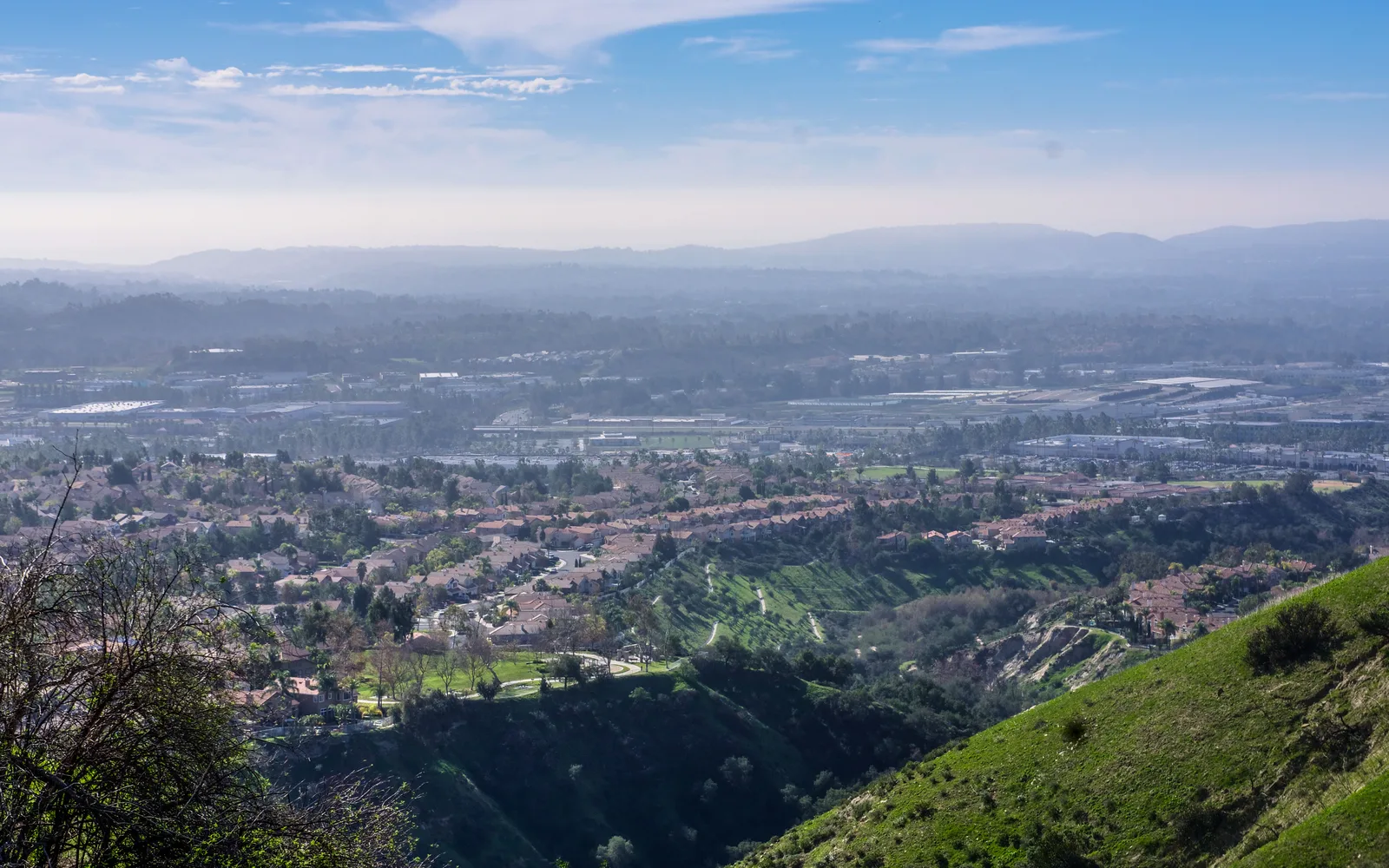
San Dimas became an incorporated city on August 4, 1960, formalizing what had been a small agricultural community. The location itself has a longer history: the Tongva people were the original inhabitants, and Spanish and Mexican settlement followed. In the 1830s, Ygnacio Palomares and Ricardo Vejar received a Mexican land grant for Rancho San Jose in the area. When the railroad arrived in 1887, it transformed San Dimas into an agricultural hub focused on citrus and other crops, a role it filled for much of the twentieth century.
The city's name carries its history. Originally called La Cienega Mud Springs for the mineral springs found there, the community changed its name as the agricultural economy evolved. The incorporation of San Dimas in 1960 occurred during the post-war suburban expansion of Southern California, when families were seeking residential neighborhoods outside the central city. The San Gabriel Valley community, situated at the foothills of the San Gabriel Mountains, offered that combination of open space and accessible location.
In established neighborhoods like those in San Dimas, families often stay rooted for years or decades. That kind of stability — choosing a place and planning a life there — is where the question of life insurance comes in. Families with mortgages, children in local schools, and long-term plans in a community understand the need to protect what they have built from the financial loss that sudden death would bring.